Padel bajada: how to smash the ball off the back wall
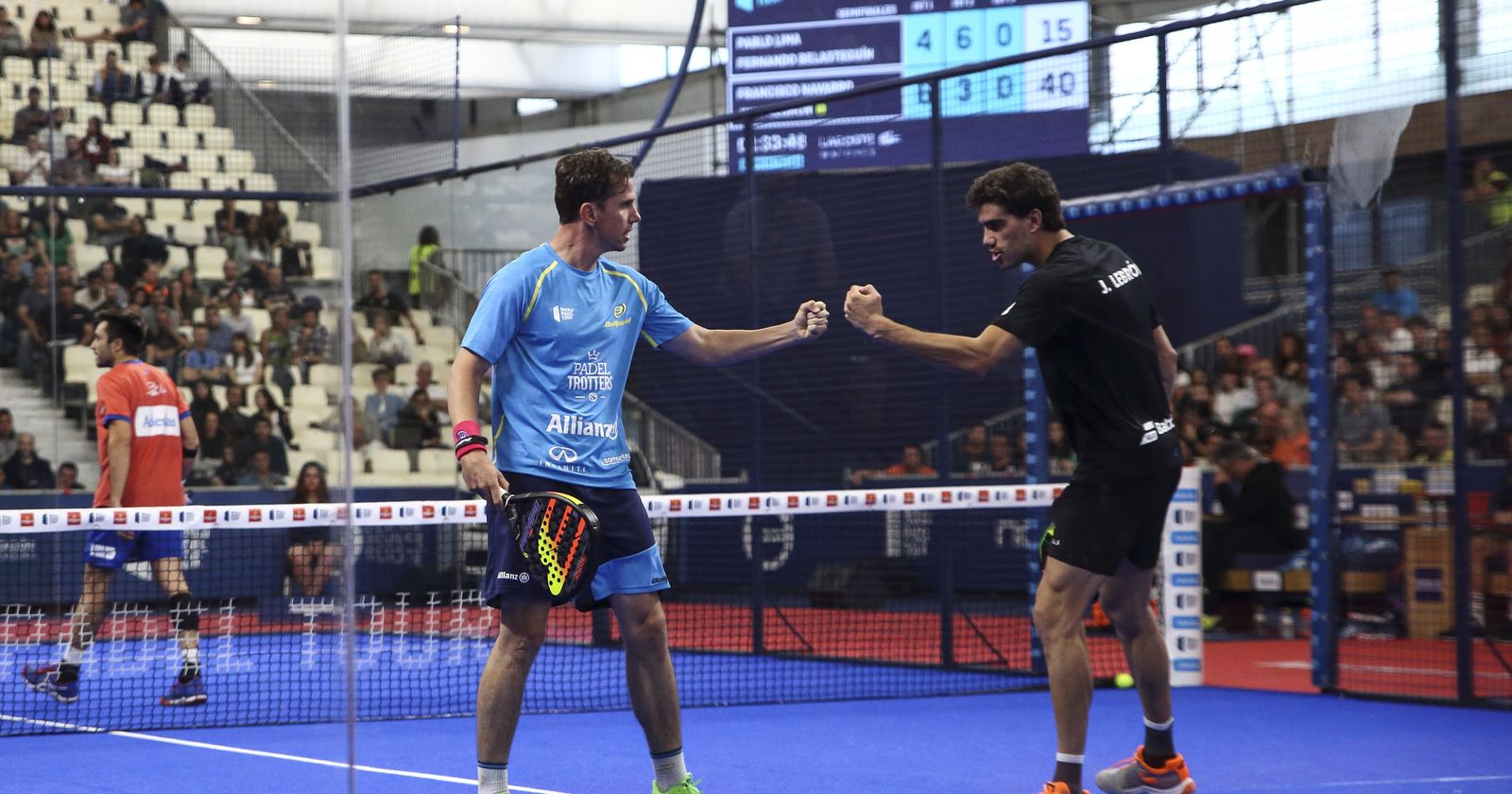
The bajada: attacking from the back wall
Quick take. The bajada (Spanish for "coming down", short for bajada de pared) is an attacking shot you hit after a high ball has bounced off the back glass. Pick only the clean, high rebounds, stand beside the ball, let it come off the wall, hit it in front of you between waist and shoulder height, aim through the middle, then walk forward to the net with your partner.
Most of padel is played from the net, and the back of the court is usually where you defend. But every so often a ball comes off the back glass high and slow, and the pair across the net has moved in close. That is the moment for the bajada: instead of a lob or a safe ball back, you take the high rebound and drive it down at them to win back the net.
It is a medium to advanced shot. It looks great when it works, and it is one of the riskiest shots in the game, so the most useful skill is knowing when not to play it.
What the numbers say
A Padelmetrics study of more than 8,500 strokes in eight men's World Padel Tour matches found:
| What was measured | Result |
|---|---|
| Share of all strokes that were bajadas | Under 3% |
| Bajadas hit on the forehand | 91.2% |
| Opponents at the net when it was hit | 73.7% |
| Bajadas that were outright winners | 7.94% |
| Forehand bajadas ending in an unforced error | 8.47% |
| For comparison: smashes ending in an unforced error | 5.86% |
So even the pros make more unforced errors with the forehand bajada than with any other stroke in that study apart from the first serve. A study of Spanish junior players found about 16% winners and 15% unforced errors. The author suspects club players miss even more often. The lesson for a Bangkok club game: play it only when the ball really sits up for you.
When to play it, and when not
Play it when:
- the ball comes off the back glass between your waist and your shoulder, or higher;
- the rebound is clean and you have time to set your feet;
- the other pair has rushed to the net, so a firm ball at them is hard to volley.
Don't play it when:
- the ball comes off low, below your knees;
- you are late, off balance or squeezed against the glass;
- the ball comes off spinning or at an odd angle, for example after hitting the side wall too.
In those cases a lob or a soft chiquita at their feet is the better choice. If you need a refresher on reading the glass first, start with our guide to the back glass.
How to hit it, step by step
- Get back early. As soon as you see the ball will go past you, move quickly towards the back and read where it will come off the glass.
- Stand beside the ball, not behind it. Turn side-on to the side wall, feet apart, with the racket up and both arms together near your shoulders, as for a high volley. Keep enough room from the glass to swing.
- Let it leave the wall. Wait until the ball has clearly come away from the glass. Your body stays between the ball and the wall.
- Weight back, then forward. Load your weight on the leg on your racket side, then move forward into the shot. Don't get stuck on your back foot.
- Contact high and in front. Hit as high as you comfortably can, with the ball in front of your body, a compact backswing and a slightly downward swing path, finishing towards your target.
- Walk in. Take two or three steps towards the net straight away, together with your partner.
Power comes last. Match the pace to how comfortable you are with the shot and how good your position is. Control first; speed comes with confidence.
Where to aim
- Down the middle, between the two opponents. The safest choice, and it can cause confusion over who takes it.
- At the body. Harder to volley well, especially if they are very close to the net.
- Into a gap. The most ambitious option, for when you are well set.
If the other pair has stayed back, there is no need to take much risk: a solid, deep ball that lets you move forward is enough. Remember the realistic goal is usually to win back the net, not to hit a winner.
Your partner is your eyes
While you turn to play the ball off the glass you lose sight of the other pair, so your partner should tell you where they are with short, agreed calls, such as "both up", "one back" or "yours is back". Agree the words before the match, and if you hear nothing, ask. More on this in our post on partner communication.
Common mistakes
- Standing too close to the glass, with no room to swing.
- Swinging before the ball has come off the wall.
- Attacking a bad rebound: the most common cause of unforced errors at club level.
- Hitting a good bajada, then staying at the back.
A drill to practise it
Ask a partner or a coach to feed medium-paced balls into your back glass from across the net, so they come off high and clean. Focus on reading the bounce, setting your feet, hitting at waist height or above and walking forward. As your timing improves, the feeder adds pace, spin and different angles, and mixes in balls that are not good for a bajada, so you practise choosing between attacking and defending on every ball.
Then try it in a game: find one on the tournaments page, or join the Bangkok Padel Community on Facebook to find partners for a practice session.
Sources
Frequently asked questions
What is a bajada in padel?
A bajada (short for bajada de pared) is an attacking shot hit after a high ball has bounced off the back glass. You let the ball come off the wall and drive it down at the opponents, usually to win back the net.
When should I play a bajada?
Only when the ball comes off the back glass clean and high, between waist and shoulder height or above, and you have time to set your feet. If it comes off low, spinning or you are late, play a lob or a soft ball at their feet instead.
Is the bajada a risky shot?
Yes. A Padelmetrics study of eight men's World Padel Tour matches found 8.47% of forehand bajadas ended in an unforced error, the highest of any stroke in that study apart from the first serve, while 7.94% were winners.
Related articles
How to Play Off the Back Glass in Padel
The back wall is what makes padel padel, and it is where most beginners lose points. How to read the ball off the glass, where to stand, and a drill to make it feel natural.
Read more
The Padel Bandeja: How to Hit It, Step by Step
The bandeja keeps you at the net when the other pair lobs you. How to hit it, the mistakes Bangkok club players make, and a simple drill for your next session.
Read more
Padel Wall Rules Explained: Which Walls You Can Use and When
The walls are what make padel different, but the rules about them confuse many new players. When the ball can hit the glass, when it can't, what happens with the mesh, and what if it flies out of the court.
Read more